The case for a different life
Why people are choosing Nicaragua
It is not perfect, and I will be the first to say so. But for the right person, the trade is real: lower cost, no tax on foreign income, and a calmer life.

Something changed at home. Most people felt it before they named it.
Rent that used to be manageable now takes over half the paycheck. Groceries cost noticeably more than they did three years ago. Taxes take a third or more of what is left. The math on a normal life stopped working, quietly, and then all at once.
Record numbers of Canadians left in 2025. American emigration applications have surged since 2023. Europeans in high-tax countries are asking the same question: what would it look like to live somewhere the income actually stretches?
Nicaragua is where a growing number of them are landing.
Nicaragua is not standing still
While its neighbors get more expensive and more crowded, Nicaragua has spent the last several years quietly building. A new coastal highway opened dozens of Pacific beach towns that used to take hours to reach. A new international airport is under construction north of Managua. Homicide rates are among the lowest in the Americas, and the trend line keeps improving while some regional peers move the other way.

Your foreign income stays yours
Nicaragua uses a territorial tax system. Income you earn abroad (a salary from a foreign employer, pension income, dividends, Social Security) is simply not taxable here. The Nicaraguan tax net only touches income sourced within the country. For most expats that means they keep more of what they earn and live on a cost structure that makes the number far more comfortable. Your home country may still have claims depending on your citizenship, so get proper advice before you move.
Read the tax guide →
Privacy, and room to breathe
Nicaragua is not a surveillance economy. Daily life does not generate the data footprint it does in a North American or European city. No loyalty trackers in every grocery, no cameras on every corner, no apparatus following you through every financial decision. Many people who come here describe a sense of being left alone that they had not realized they missed. You are a person in a community, and most interactions reflect that.

Land you can actually own
Foreign nationals can own titled property in Nicaragua directly and outright. No trust structure required, no residency prerequisite for purchase, no limit on what you can buy. In much of Central America and Mexico, foreigners purchase through a fideicomiso or a corporate structure. Here, the title goes in your name. Prices remain accessible compared with Costa Rica and Panama, particularly on the Pacific coast and in the colonial cities.
See current listings →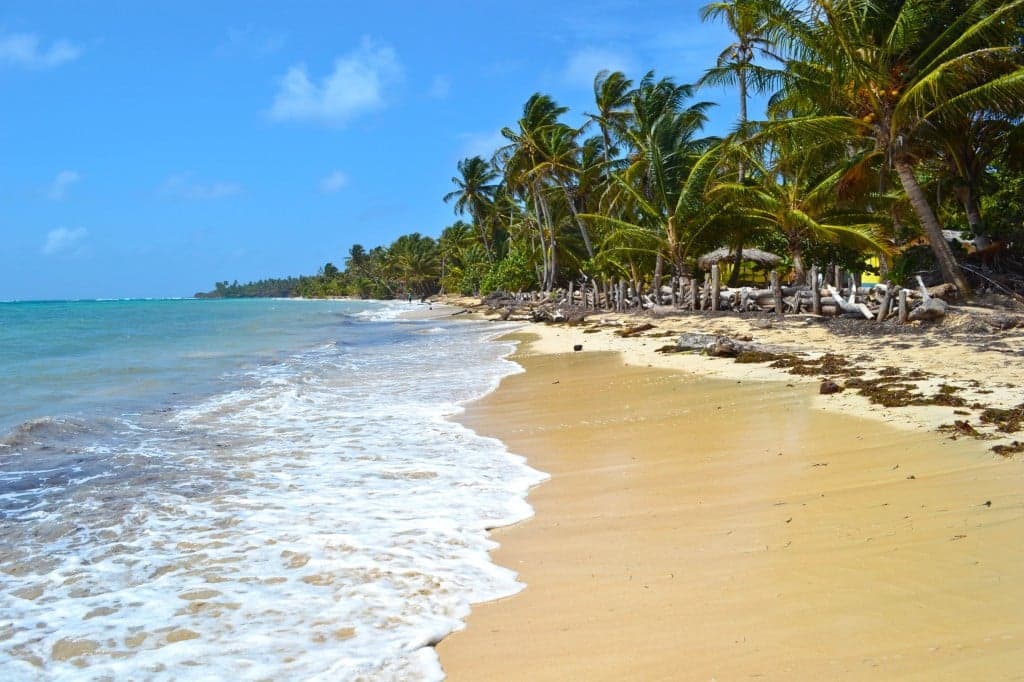
A cost of living that resets everything
A couple lives comfortably in most of Nicaragua on $1,500 to $2,500 a month. A modern two-bedroom home rents for $500 to $750. A meal out for two costs $15 to $30. Private healthcare is good and inexpensive: a doctor runs $25 to $50 a visit. For people who had been paying $400 to $600 a month for health insurance at home, the shift is dramatic. It is the kind of saving that makes you realize how much you were paying simply to live, not the kind that requires giving things up.
Read the cost of living guide →
Two coastlines, and a slower pace
Pacific surf, Caribbean reef, colonial cities, freshwater islands, cloud forest, and one of the largest lakes in the Americas, in a country you can drive across in a day. But what most people talk about after they settle in is the pace. Days feel longer. Meals are slower. People are less distracted. It sounds like a cliché until you live it, and then it becomes the thing you did not expect to value most.
Where to live →The honest trade-offs
Infrastructure is uneven, but improving fast
Roads, power reliability, and internet quality vary by region. In cities the experience is solid, and a wave of recent investment (a new coastal highway, an international airport under construction) is closing the gap year over year. In rural and remote areas, you still plan around gaps.
Spanish helps a lot
The expat communities in Granada and San Juan del Sur are English-speaking. Anywhere else, basic fluency opens the country up considerably. Most people find the process here, and the officials handling it, friendly and easy to work with.
Paperwork takes patience
Residency, banking, and property transactions take longer than a North American timeline. The process itself is simple and the people running it are approachable. It just runs at its own pace, so build that into your expectations.
Serious medical care is limited outside cities
Managua has good private hospitals. Outside of it, specialist care requires travel. For complex medical needs, that is a real consideration, though routine and emergency care through the public system is available even to visitors.
None of this is a dealbreaker for most people who move here. But I would rather you go in with clear eyes than arrive with a picture that does not match reality. The people who thrive here wanted the life, not just the escape.
Ready when you are
Ready to find out if it fits?
Tell me where you are and what you are looking for. I will give you a straight answer about whether Nicaragua makes sense for you.