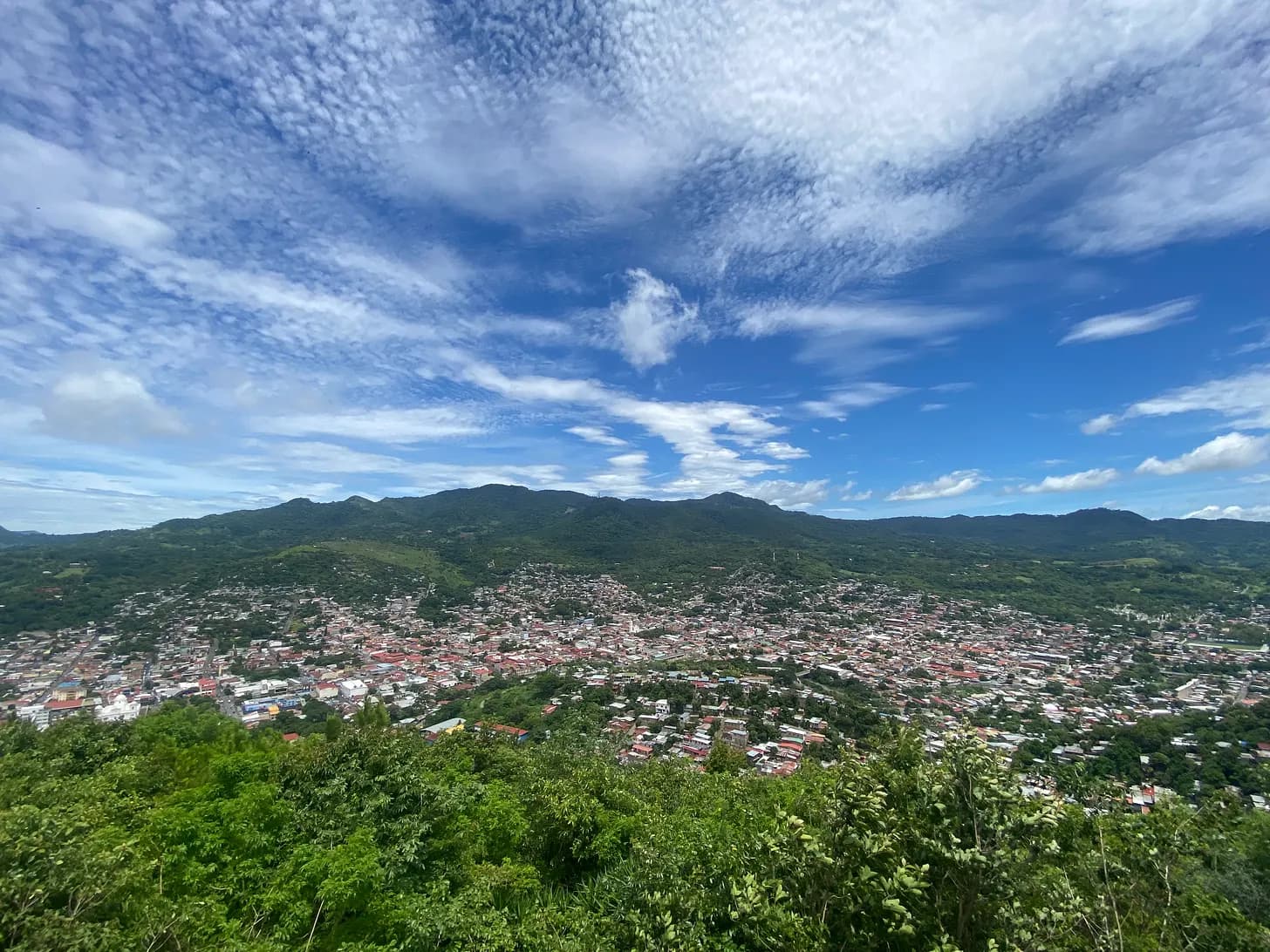
Most people who research Nicaragua focus on the Pacific coast or the colonial cities. Matagalpa rarely makes the shortlist. That is partly because it does not have a beach. It does not have a famous cathedral. It is not on the backpacker trail.
What it has is a cooler climate, a working city economy, some of the best coffee in Central America grown on surrounding hillsides, and a cost of living that runs meaningfully lower than Granada or San Juan del Sur. For a specific kind of person, someone who wants to actually live in Nicaragua rather than reside in an expat bubble, Matagalpa is worth a serious look.
Where it is
Matagalpa sits in the central highlands at about 700 metres elevation, roughly two hours north of Managua by road. The Pan-American Highway connects it directly. The drive is straightforward and the road is good.
The city has around 150,000 people, making it the fourth-largest in the country. It functions as a regional hub for the surrounding coffee-growing municipalities and has the infrastructure that comes with that: hospitals, universities, banks, public offices, and a commercial centre that serves the whole region.
The climate
This is Matagalpa's headline advantage. At 700 metres, temperatures run 18 to 26°C year-round. It rains more than the Pacific lowlands, which keeps things green and dramatically reduces air conditioning costs. The rainy season from May to November is real here, afternoon showers are frequent, but mornings are typically clear.
For people coming from Canada who find the lowland heat of Managua or Granada hard to tolerate, Matagalpa is a revelation. You can sleep with a window open. You might want a light jacket in the evenings. The air is noticeably cleaner than the coast.
The expat community
Small but real. There are foreign-born residents who have been in Matagalpa for ten or twenty years, most of them involved in coffee or simply drawn to the highlands. The community does not organize itself the way Granada's does. There is no weekly gringo happy hour. But the long-timers are generally well-integrated and useful to know.
You need Spanish to live comfortably here. Not every shopkeeper speaks English. Most service providers do not. This is a feature for some people and a barrier for others.
Cost of living
Lower than Granada, meaningfully so.
A furnished two-bedroom house in a decent neighbourhood runs $350 to $650 a month. Outside the city centre, towards the coffee farms and quieter roads, you can find more space for less. Utilities are low, since the cooler climate means minimal air conditioning. A couple can eat well for $300 to $400 a month including occasional restaurant meals.
Matagalpa does not have the imported-goods infrastructure of Granada. Finding French cheese or decent wine requires either a trip to Managua or ordering ahead. This matters to some people and not at all to others.
Coffee
The Matagalpa and Jinotega departments produce most of Nicaragua's best coffee. Farms in the surrounding hills are accessible by car or motorbike. Several have opened their operations to visitors, offering tours and direct sales. If specialty coffee is part of your daily life, living in the region where it is grown has a particular quality to it.
Healthcare
Matagalpa has both public and private healthcare facilities. For routine care, there are several good private clinics with qualified doctors charging $25 to $45 a visit. Dental care is available and well-priced. For anything serious or specialist, you are making a trip to Managua. Two hours is manageable as a day trip for non-emergency situations, but worth factoring in if you have ongoing medical needs.
Getting around
Most residents in Matagalpa have a vehicle or use a mix of taxis and minibuses. The city itself is compact enough to walk central errands. Taxis within the city run $1 to $2 a trip. Intercity buses to Managua depart frequently and cost under $3. For the surrounding rural areas, a four-wheel-drive vehicle makes life considerably easier, particularly in the rainy season when unpaved roads to the coffee farms get muddy.
Who Matagalpa is for
It suits people who want lower costs and a cooler climate, who speak Spanish or are serious about learning, who find the pace of a Nicaraguan working city more interesting than a tourist-oriented colonial town, and who value the surrounding natural environment: hiking, waterfalls, cloud forest, and coffee country within an hour's drive.
It is not for people who need a large expat support network, who want convenient access to the beach, or who are not willing to engage with a city that runs in Spanish.
Nearby highlights
The Reserva Natural Cerro Apante is a forested mountain reserve directly behind the city with hiking trails. The waterfalls around La Dalia and the cloud forest at Selva Negra, a working coffee farm with a hotel, are both about an hour's drive. Jinotega, another highland city, is 45 minutes north and even quieter.
For travelers who want to experience the highlands before committing to anything, Tierra Alta Ecolodge is a good place to start. It sits in the hills near Matagalpa and gives visitors a real feel for the climate, the coffee country, and the pace of life up here, without the pressure of a full relocation trip.
Matagalpa rewards the people who end up there. It just takes some intention to get there in the first place.
Ready to take the next step?
Talk to someone who has done it
Every move is different. Book a free orientation call and we will give you a straight read on whether Nicaragua is the right fit for your situation.
Book a free call →