Healthcare is one of the first worries for anyone moving abroad, and a fair one. Here is how it actually works for foreigners in Nicaragua.
Two systems
Nicaragua runs a public system through MINSA (Ministerio de Salud) and a parallel private sector. Both are open to foreigners. Most expats lean on private care for anything beyond the routine, because it is affordable and the experience is closer to what they are used to.
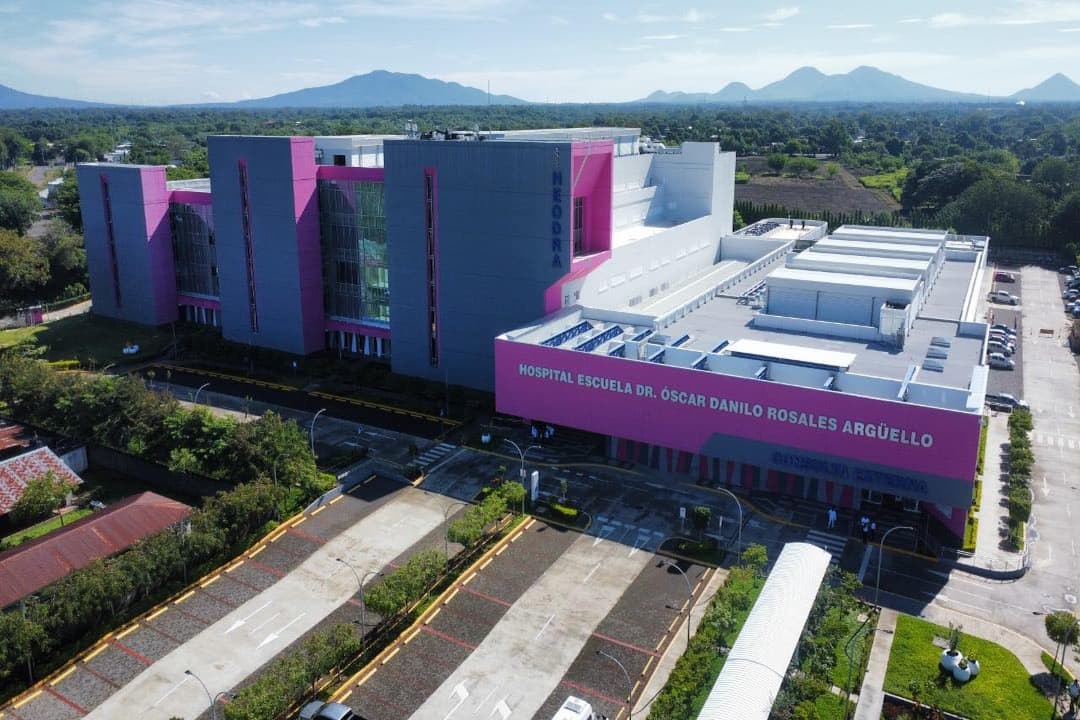
- Public hospitals and clinics (MINSA) are present in every major city and most towns. Care is free at the point of use.
- Private clinics and hospitals are concentrated in Managua, with solid options in Granada and León.
The part most people don't know: public care is free for everyone
Nicaragua's public health system is constitutionally universal. That means it is free not just for citizens and permanent residents, but for tourists and short-term visitors too.
Walk into a MINSA hospital or health centre and you will be seen without being asked for a payment, a visa, or insurance. Emergency treatment, consultations, and most medications dispensed on-site are covered. You may occasionally be asked to buy a specific medication from a pharmacy if it is not in stock, but the care itself costs nothing.
This is genuinely unusual. Most countries restrict public healthcare to residents or tie it to insurance. Nicaragua does not.
The tradeoffs are real: public facilities can be crowded, wait times are long, and resources vary significantly between Managua and rural areas. For a broken bone in Granada, the public hospital works. For a specialist procedure, most people go private.
What private care costs
The headline is that out-of-pocket private care is cheap by North American or European standards.
- A private doctor visit typically runs $25 to $50.
- Specialist consultations range from $50 to $80.
- An emergency room visit at a private hospital is usually $50 to $100.
- Lab tests, imaging, and procedures cost a fraction of what they do at home.
- Prescription medication is generally inexpensive, and many drugs are available without the process you may be used to.
Hospital Metropolitano Vivian Pellas in Managua is the country's flagship private hospital and the one most expats and travellers name when they need something serious handled well.
How most expats cover themselves
There is no single right answer, but common approaches include:
- Paying out of pocket for routine care, since the prices make this viable.
- An international health insurance plan for serious illness, surgery, or repatriation. Plans start around $50 per month for younger residents; expect more as you age.
- Medical travel to Managua for anything complex, or flying to a regional hub or home country for major treatment.
Planning around a serious condition
For routine and urgent needs, Nicaragua handles it well. For highly specialized or cutting-edge treatment, most people plan to travel. If you have a serious ongoing condition, map out exactly where you would be treated before you commit to a region. That is part of deciding whether and where Nicaragua fits, and it is something we help people think through in our consulting work.
This is general information, not medical advice. Confirm specifics with providers and insurers directly.
Ready to take the next step?
Talk to someone who has done it
Every move is different. Book a free orientation call and we will give you a straight read on whether Nicaragua is the right fit for your situation.
Book a free call →